


























Iran War: 6 Oil Giants Earn $81 Billion Profit Surpassing India Defense Budget
Six major oil companies earned $81 billion in profits during the Iran war, surpassing India's defense budget as crude oil prices hit $120 per barrel.

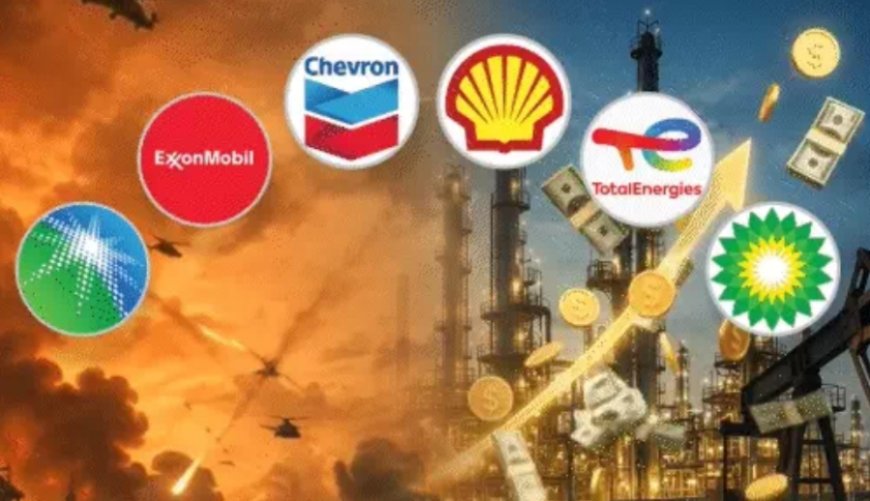
The geopolitical instability triggered by the Iran conflict has led to a significant surge in global crude oil prices, resulting in a massive financial windfall for the world's leading energy corporations. According to a comprehensive report by Al Jazeera, the six largest oil companies globally have collectively amassed a record profit of $81 billion during the period spanning from April to June. This astronomical figure highlights the stark contrast between the economic struggles faced by nations due to inflation and the unprecedented earnings of the energy sector during times of war.
Massive Profits Exceeding National Budgets
7 lakh crore rupees. 81 lakh crore rupees. The fact that the quarterly earnings of just six private entities can outweigh the total military expenditure of one of the world's largest economies underscores the immense scale of the wealth generated during this crisis, while the Al Jazeera report indicates that these companies have capitalized on the supply chain disruptions and the heightened demand for energy resources as the conflict intensified.
Crude Oil Price Trajectory and Market Impact
Before the onset of the Iran war, crude oil was trading at approximately $70 per barrel. However, as the conflict escalated and tensions mounted in the strategic Hormuz Strait, prices witnessed a sharp upward trajectory. Between April and June, the price of crude oil reached as high as $120 per barrel. This significant jump in prices allowed oil companies to register a profit increase of nearly 23 percent during this specific timeframe. The volatility in the market was primarily driven by fears of supply shortages and the potential closure of vital maritime routes used for oil transportation.
Global Inflation and Economic Consequences
While the oil giants celebrated record-breaking second-quarter results, the rest of the world grappled with the harsh realities of inflation. The surge in oil prices had a direct and immediate impact on the cost of living globally. As the price of raw energy increased, it led to a rise in the costs of petrol, diesel, and electricity, while these increases further trickled down to everyday essential goods, making them more expensive for the common consumer. The tension in the Hormuz Strait acted as a catalyst for this economic strain, affecting the pockets of people across various continents.
Analyst Perspectives on Supply Concerns
Market analysts have pointed out that the primary driver behind these record profits was the persistent concern regarding oil supply. The uncertainty surrounding the Iran conflict and the strategic importance of the Hormuz Strait created a high-risk environment that pushed prices to multi-year highs. For many of these oil companies, the earnings reported in the second quarter represent some of the highest profits seen in several years. The combination of high demand and elevated prices created a perfect storm for financial growth within the energy sector, even as global markets faced significant headwinds.
What's Your Reaction?