



























RBI Proposes 1 Hour Delay For Online Transfers Above 10000 Rupees To Curb Fraud
RBI proposes a 1-hour cooling-off period for digital transfers over 10000 rupees to prevent fraud. Learn about the new rules for seniors and technical challenges for banks.

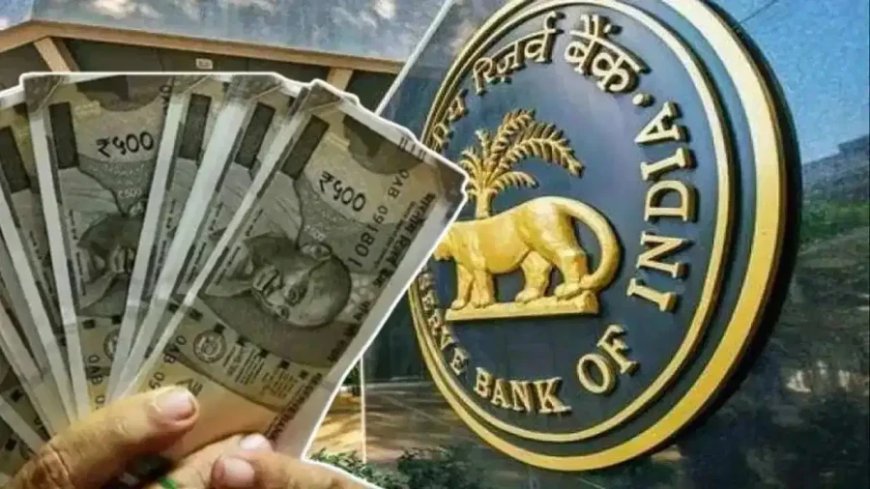
The Reserve Bank of India (RBI) is preparing to introduce a significant shift in the digital payment landscape to combat the rising tide of online financial fraud. According to a new proposal, any digital fund transfer exceeding 10000 rupees may soon be subject to a mandatory one-hour cooling-off period. This move is designed to provide a safety net for consumers, allowing a window of time to intervene before a transaction is finalized. While the banking industry has largely welcomed the security-first approach, several lenders have expressed reservations regarding the potential impact on user experience and the substantial financial burden of upgrading existing systems.
The One-Hour Cooling-Off Period for High-Value Transfers
The proposal was initially outlined in a discussion paper released by the RBI in April. It suggests that when an individual customer, a sole proprietor, or a partnership firm initiates a digital payment of more than 10000 rupees, a one-hour delay should be implemented at the payer's end. This strategic pause is specifically aimed at mitigating Authorized Push Payment (APP) fraud, while in such scams, fraudsters often use social engineering tactics, fear, or deception to coerce victims into making immediate transfers. By introducing a one-hour delay, the RBI hopes to give users enough time to realize a potential mistake or fraud and take corrective action.
Banking experts have noted that while this delay serves as a critical defense mechanism, it must be implemented with a degree of flexibility. For instance, if a customer is purchasing a high-end electronic device like a smartphone worth more than 10000 rupees at a physical store, a mandatory one-hour wait for the payment to clear could lead to significant friction at the point of sale. Banks are advocating for a balanced approach where security doesn't come at the cost of everyday commercial convenience.
Special Provisions for Senior Citizens and Persons with Disabilities
In addition to general transfer rules, the RBI has proposed specialized safeguards for more vulnerable sections of society, while for senior citizens aged 70 years and above, as well as persons with disabilities, the central bank suggests a Trusted Person framework for high-value transactions. Under this plan, any digital transaction exceeding 50000 rupees initiated by these individuals would require additional approval from a pre-designated trusted person, such as a family member or a legal guardian.
To further tighten security, the RBI proposes that if a customer decides to change their designated trusted person, a mandatory 24-hour cooling-off period will be enforced before the new person can approve transactions. This is intended to prevent fraudsters from gaining control of an account and quickly changing the secondary approval authority. However, banks have pointed out practical challenges, such as emergency medical situations. If a senior citizen needs to make an urgent payment at a hospital and their trusted person is unavailable, the delay could lead to critical complications.
Technical Infrastructure and Financial Implications for Banks
Implementing these changes isn't a simple task for financial institutions. Banks will need to overhaul their digital payment infrastructure to accommodate new transaction queues and develop features that allow users to cancel transactions during the cooling-off window. This requires recoding the entire settlement process, which involves significant technical complexity and high operational costs. Banking officials have highlighted that these upgrades come at a time when the industry is already under financial pressure due to the zero Merchant Discount Rate (MDR) on UPI transactions.
Currently, banks aren't permitted to charge merchants for UPI transactions, yet they must invest heavily to maintain and expand the digital payment ecosystem, while it's estimated that an annual investment of approximately 10000 crore rupees is required to sustain this infrastructure. The added cost of implementing the RBI's new security proposals adds another layer of financial responsibility for banks and payment service providers. The RBI has looked at global models from countries like the United Kingdom, Singapore, Sweden, the United States, and Ireland to draft these proposals, but the Indian banking sector emphasizes that the final rules must be tailored to India's unique scale and ground realities.
What's Your Reaction?